

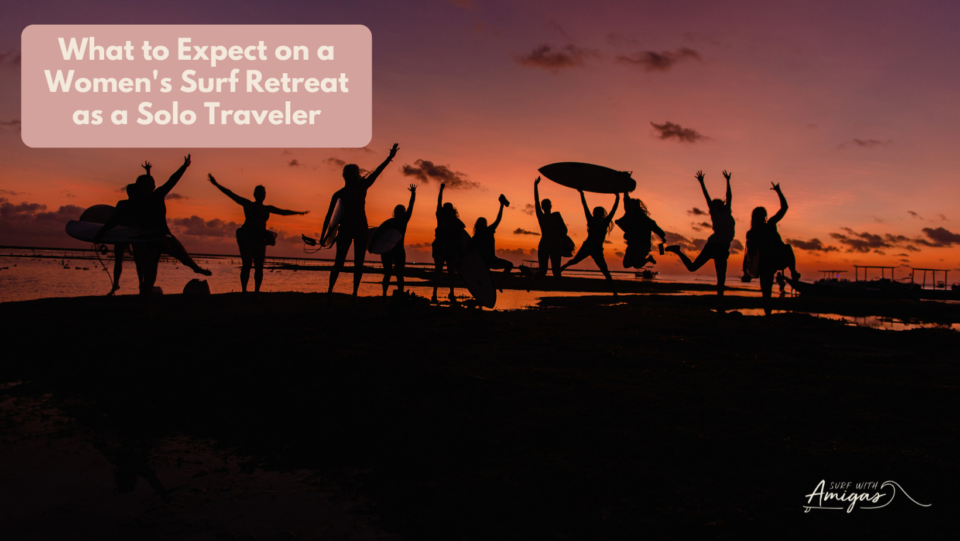
Have you been thinking about booking a surf trip on your own, but are feeling a bit hesitant? You are definitely not alone. Going on a surf trip by yourself, let alone traveling to a different country to do so, can feel just as exciting as it can intimidating. Questions like “Will I fit in?”, “Is it safe?”, or “Will I be the only one showing up solo?” are completely normal to ask and ones we commonly hear from women planning to come on our surf coaching retreats.
Here’s the truth: no matter how intimidating it may feel at first, choosing to go solo on a women’s surf retreat is one of the most empowering, rewarding things you can do for yourself.
If you are showing up without a buddy, here are 3 things you can actually expect when you join a Surf With Amigas Women’s Surf Coaching Retreat:
1. Built-In Safety and Peace of Mind
For many of us, safety is the first concern when planning solo surf trips. Navigating new countries, handling airport transfers, and exploring unfamiliar waves solo can feel overwhelming.
If you join one of our upcoming retreats, all those logistical headaches (and travel nerves!) virtually disappear. You can expect:
-
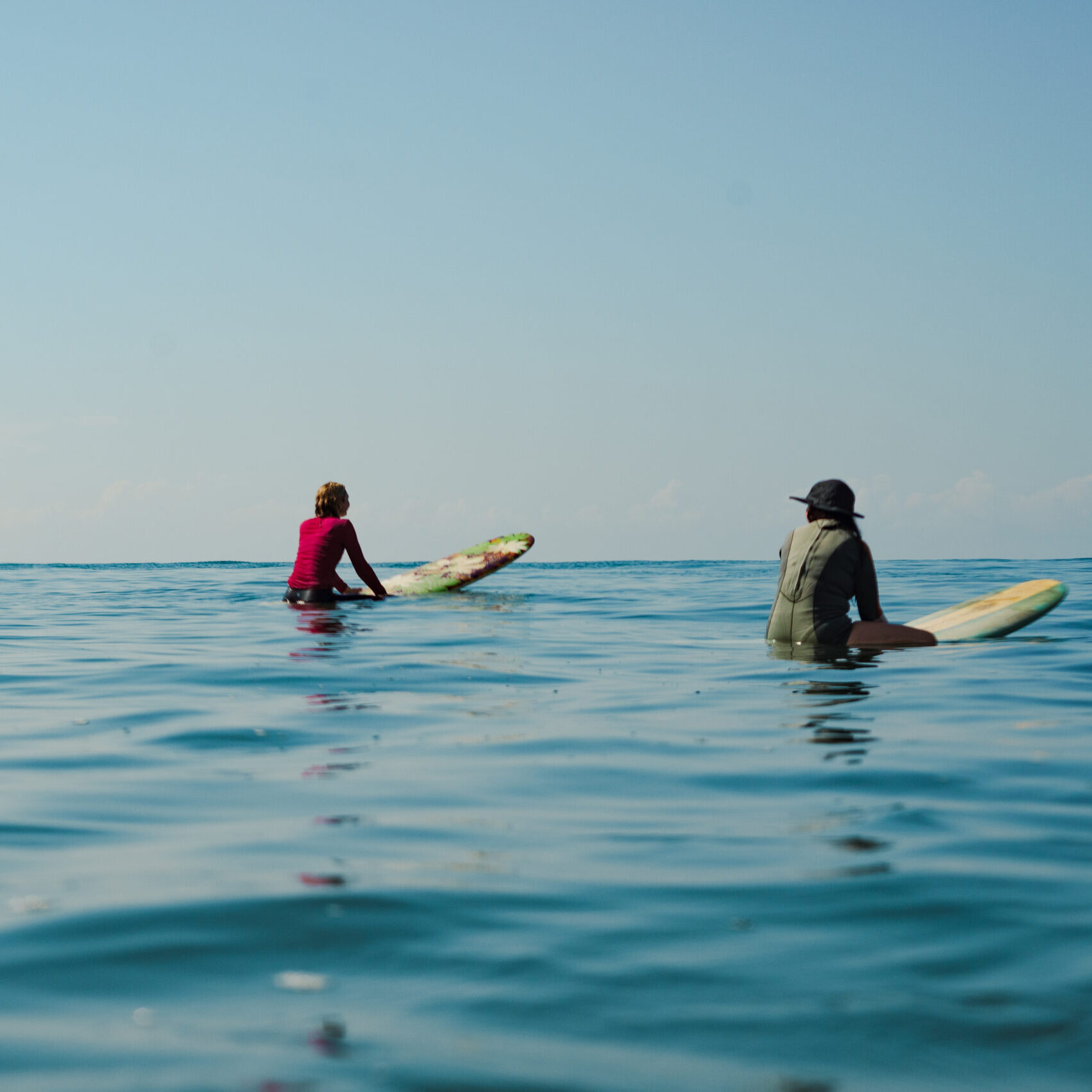
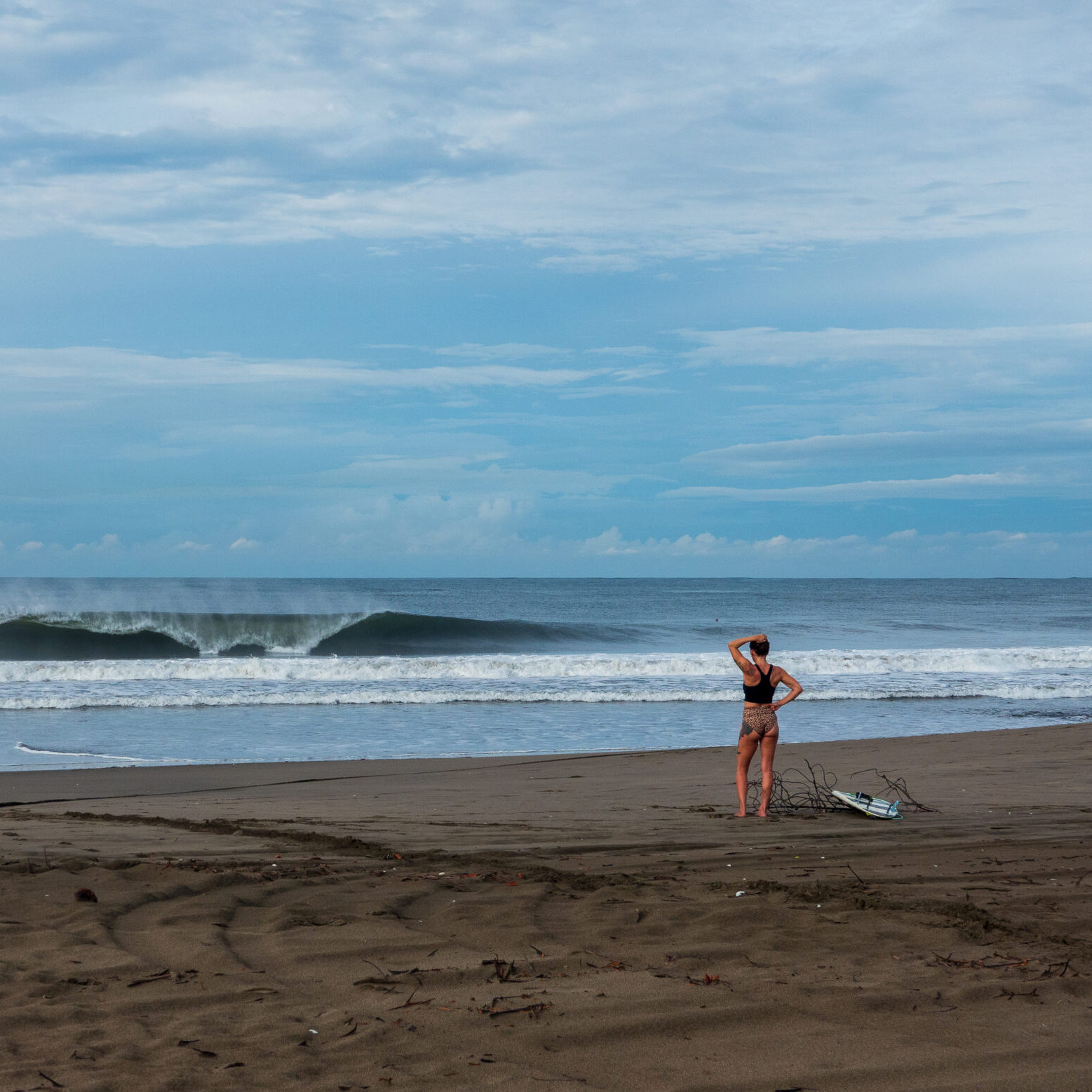
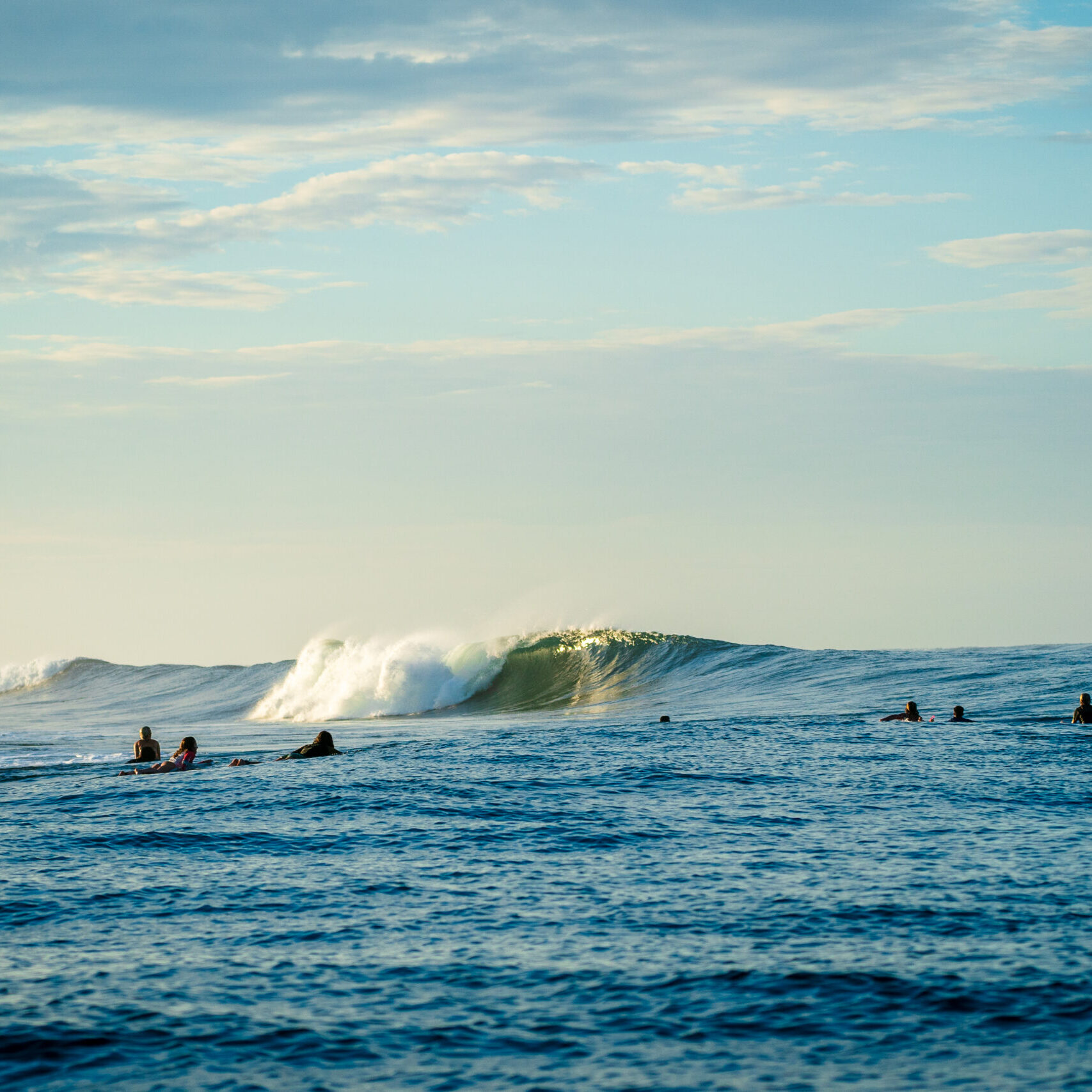
Guided Ocean Safety: You are never surfing a new wave by yourself. You’ll be guided by our amazing team of women surf coaches to help you break down currents, tides, entry/exit points, and which salty locals to avoid before you even step foot in the water.
-
Seamless Logistics: From airport pickups to local transport, every detail is organized so you can relax, focus on catching waves, and most importantly, recharging! This trip is all for you.
-
Supportive Environment: On a retreat with Surf With Amigas, you always can expect to have a trusted local team by your side. Whether we’re in or out of the water, expect to have support and connection every step of the way!
2. An Immediate Community of Like-Minded Friends
One of the biggest misconceptions about traveling solo on a women’s surf coaching retreat is that you will actually be alone.
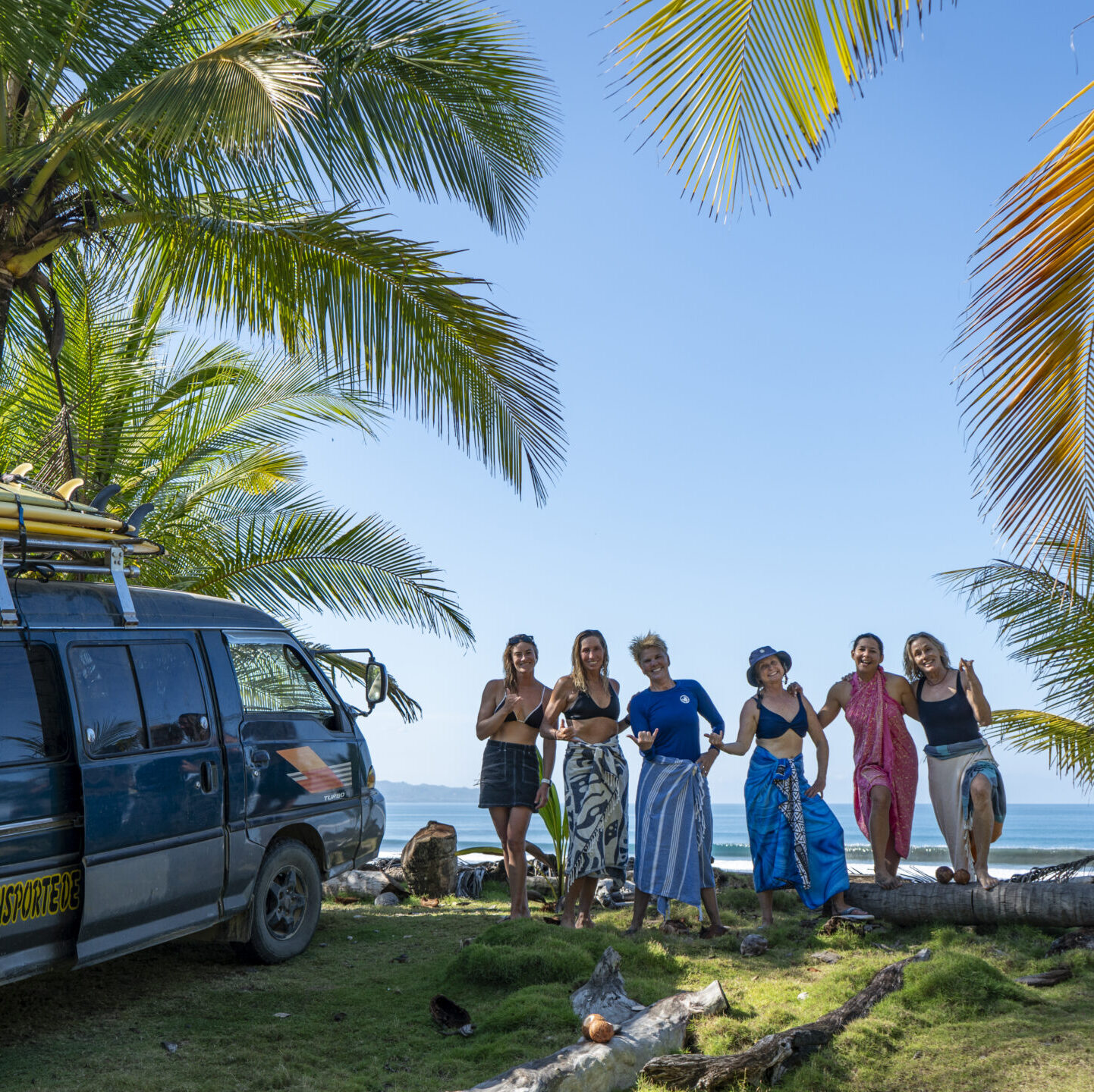
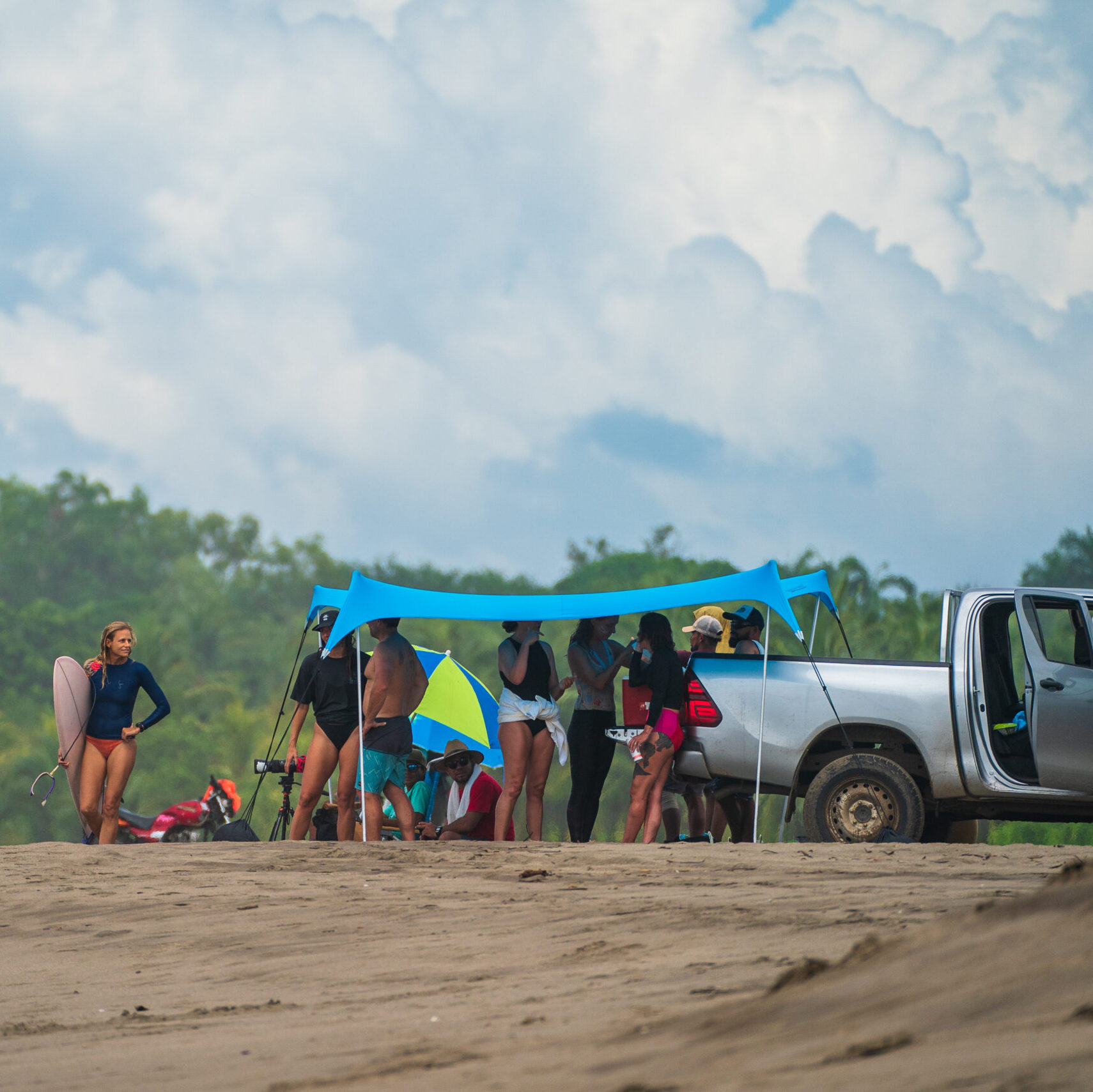
The reality is, from the moment you arrive, you are surrounded by a group of rad, inspiring women who share your exact passion for the sport and excitement for adventuring in a new place!
-
You Won’t Be the Only Solo Traveler: Believe it or not, the vast majority of women on our surf retreats show up on their own! Everyone arrives in the same boat, so it’s easy to connect.
-
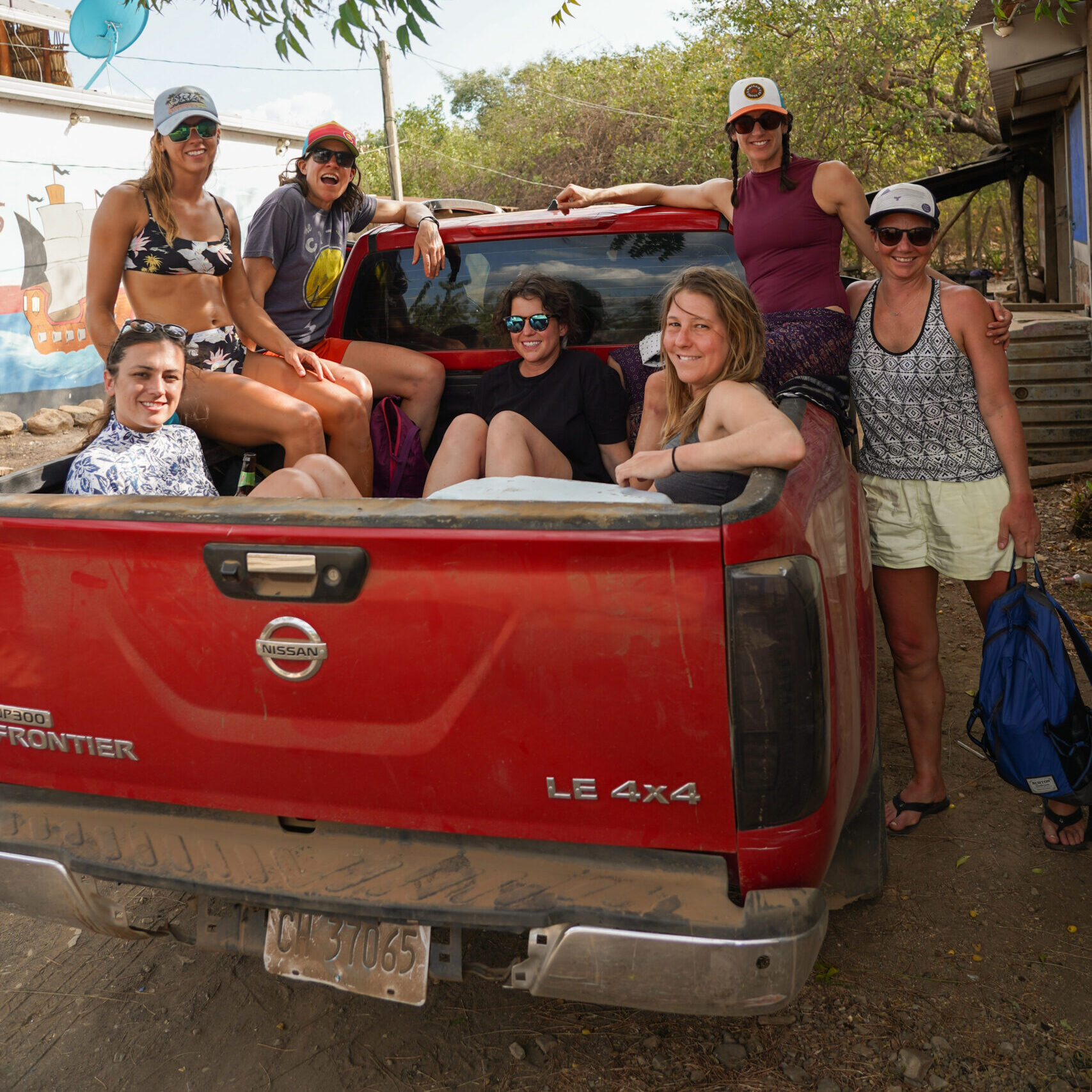
Easy Community: Whether you are sharing a room, comparing surf bruises over meals, or cheering each other on from the lineup, bonds form quickly (without any weird clique energy!).
3. Inclusive Group Dynamics (in and out of the water)
Group dynamics on a women’s surf retreat with Surf With Amigas are specifically designed to be uplifting and *non-competitive.
-
Cheering Each Other On: Nothing bonds a group faster than watching a fellow Amiga catch her best wave of the trip, or battling wipeouts together and laughing about it later over dinner.
-
Shared Vulnerability: Surfing forces you to step outside your comfort zone. Experiencing that discomfort alongside women who are pushing their own boundaries leads to instant connection and even lifelong friendships!
-
Time for Rest: While the group energy is high, there is never any pressure to be “on” 24/7. All activities are completely optional! You will have plenty of downtime to read in a hammock, stretch out during yoga, or just recharge, all at your own pace.
Launching into your first solo surf trips doesn’t have to be about doing everything by yourself, but rather having the courage to show up for yourself and take the leap! Yes, you arrive on your own, and it’s normal to be nervous. But without a doubt you’ll leave with a group of friends from around the world, renewed confidence, and heaps of salt-encrusted memories.