

If you’ve ever stared at the wave energy numbers (the reading in kJ usually at the bottom of a Surfline forecast) wondering what they actually mean, this blog is for you. If you’d like to learn more about this topic, check out our recent Second Breakfast podcast episode with oceanographer Dr. Paige Hoel, better known as @liloceanpaige on TikTok and Instagram, where we dive into the science behind surf forecasting and more specifically, wave energy. At our women’s surf and yoga retreats, we also run daily classroom sessions where you can learn more about topics like wave energy and more! Check out our retreat schedule here to learn more.
What Is Wave Energy?
Wave energy is essentially a combination of swell height and swell period.
According to Paige, think of it like this:
“Height tells you how big the wave is.
Period tells you how powerful it is.”
When combined, they produce the wave energy value you see on surf forecasts.
The Simple Rule:
-
Lower energy number = more mellow conditions
-
Higher energy number = more powerful, faster-moving waves
Very generally speaking, the higher the energy, the harder the conditions and typically, the faster you’ll travel on the wave. But according to Paige,
“The wave energy number should just be taken with a grain of salt, it shouldn’t be the make or break value for your surf.”
Understand Swell Period (This Is Huge)
To understand the energy reading, it is essential we break down swell period. Swell period is measured in seconds, which represents the time between wave peaks. Depending on where you live in the world, these numbers may also signify different things. For example, generally on the West Coast of North America, the breakdown of period is this:
-
6–9 seconds: windswell, weaker, waves breaking closer together
-
10–13 seconds: medium-period, more organized
-
14+ seconds: long-period groundswell, more powerful, waves spaced out
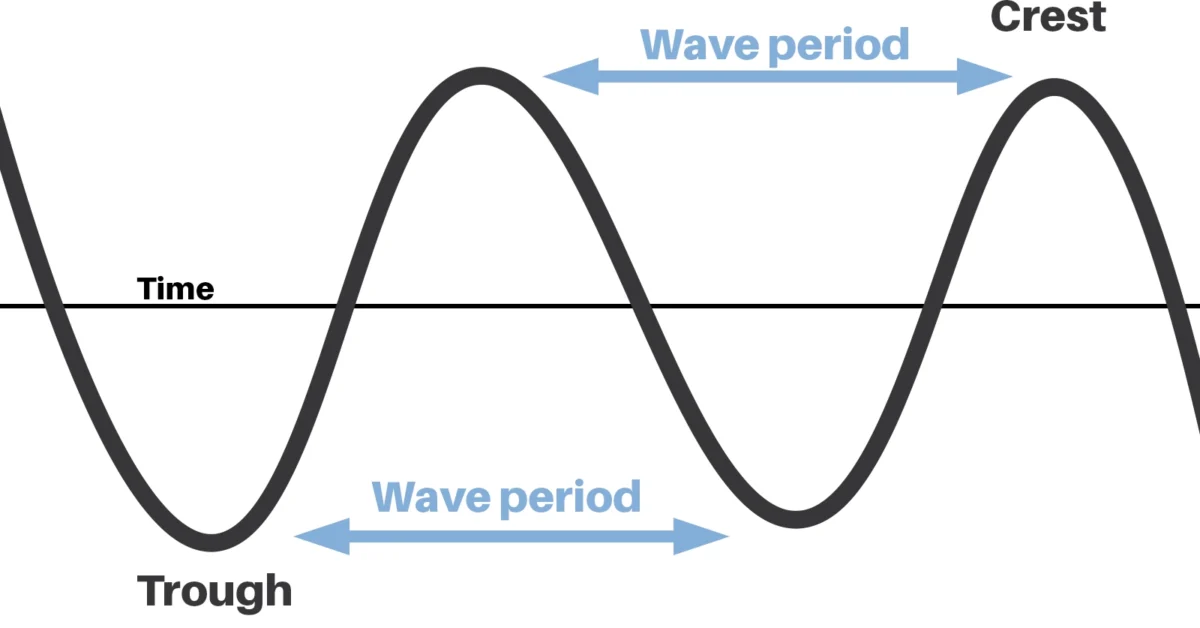
When there’s a longer period on a forecast, this means waves have traveled farther, and have more energy. This is why two identical height swells (but with a different period, and likely wave energy, can feel completely different in the water.)
What the “Energy” Number Actually Means
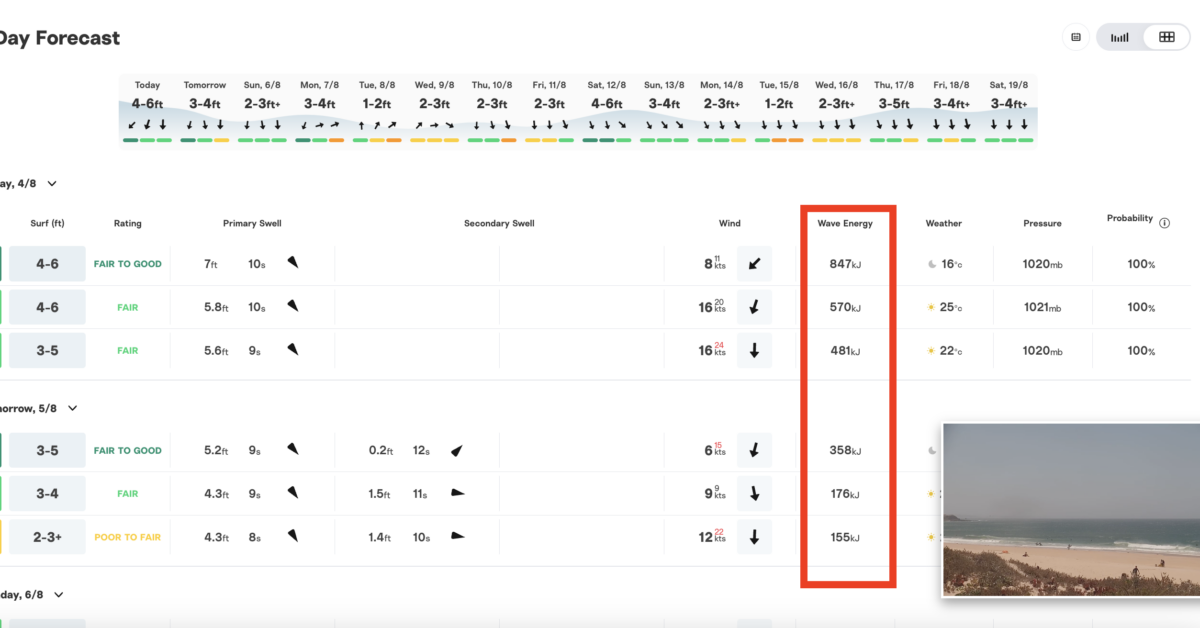
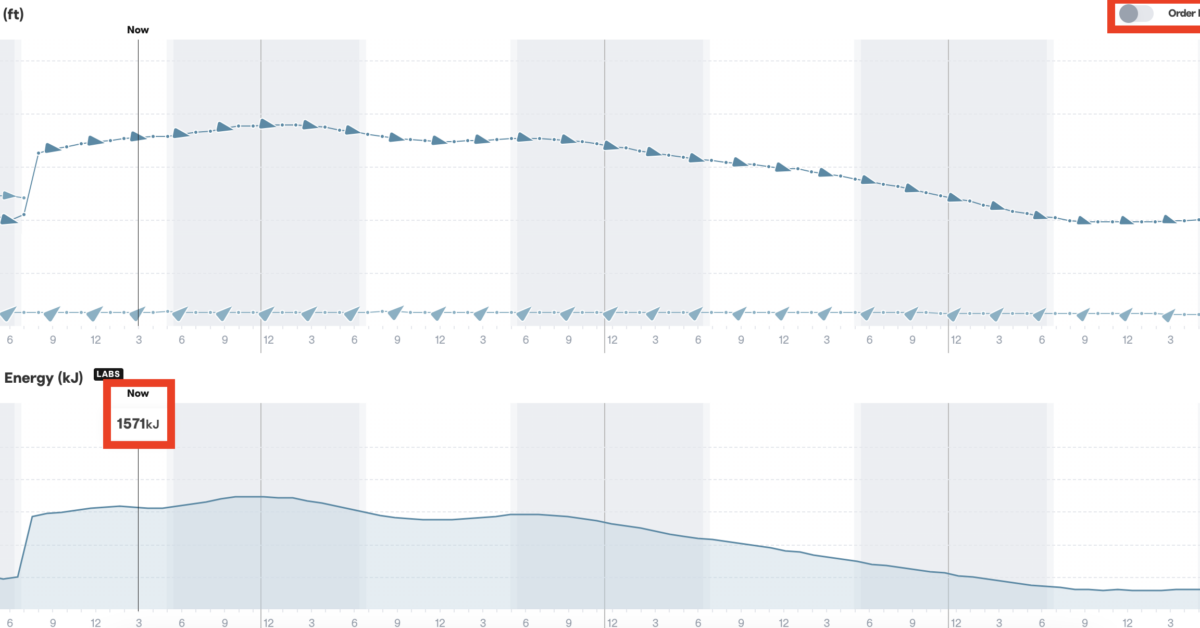
On sites like Surfline, you’ll see a wave energy number listed alongside swell height and period. Because the wave energy number is dependent on height and period, when there is a bigger height and longer period, the wave energy will likely increase.
Below you can see some examples of what you’ll see when you open up your forecast:
When you open up the forecast, try to follow these steps:
- Ensure wind/tide conditions are working for your break.
- Mainly focus on height + period first.
- Then look at the energy number for confirmation.
According to Surfline, they include this extra wave energy number for the following reasons:
-
“2 days with identical surf height can have different energy depending on the underlying swells
-
Other factors (e.g. the depth of the water and gradient of the beach, the tide, and the sandbars/reef) will affect how powerful the surf feels
-
300kJ could be really powerful at one beach but less so at another, due to how the waves approach that spot and the effect of differences in the ocean floor.”
Once you get more in tune with the types of conditions you enjoy, you can get more in the weeds with wind, tide, swell direction, and multi-swell interactions. At our retreats, we always emphasize that you shouldn’t feel pressure to decode everything at once! Surf forecasting is also a skill you’ll build over time with more exposure to the breaks you surf. Also, remember that forecasts are MODELS, and that while they are sophisticated, they’re not perfect.
Quick Recap
- Energy = swell height + period working together
- Lower number = mellow
- Higher number = more power + speed
- Forecasts aren’t perfect, so take everything with a grain of salt!
- Combine data you see with your own intuition or experience at different breaks (try even keeping a surf journal to document the conditions you like!)